Commercial HVAC installation cost can depend on equipment size, building design, ductwork condition, and the amount of site preparation required, which is why two similar buildings can receive different price quotes.
Comfort Plus LLC provides commercial and industrial facilities in Maryland, Northern Virginia, and D.C. with HVAC installation planning based on actual site conditions rather than assumptions. Understanding the factors that influence commercial HVAC installation pricing can make budgeting easier. Whether the project involves new construction or a retrofit, coordinating equipment, controls, and commissioning can help create a more realistic project budget. This guide provides details about what makes up that cost.
Factors Influencing Your HVAC Installation Quote
Not all commercial HVAC installations have the same price tag even among projects of similar size. The final cost can depend on equipment, existing infrastructure, site access, permit requirements, and the amount of labor involved.
That’s why, before providing a detailed quote, a contractor should evaluate the building needs, equipment requirements, site access, and scheduling considerations. This process can help explain differences in commercial HVAC installation pricing between seemingly similar projects.
Factors Involved in Equipment Selection, Size, and Commercial HVAC Installation Cost
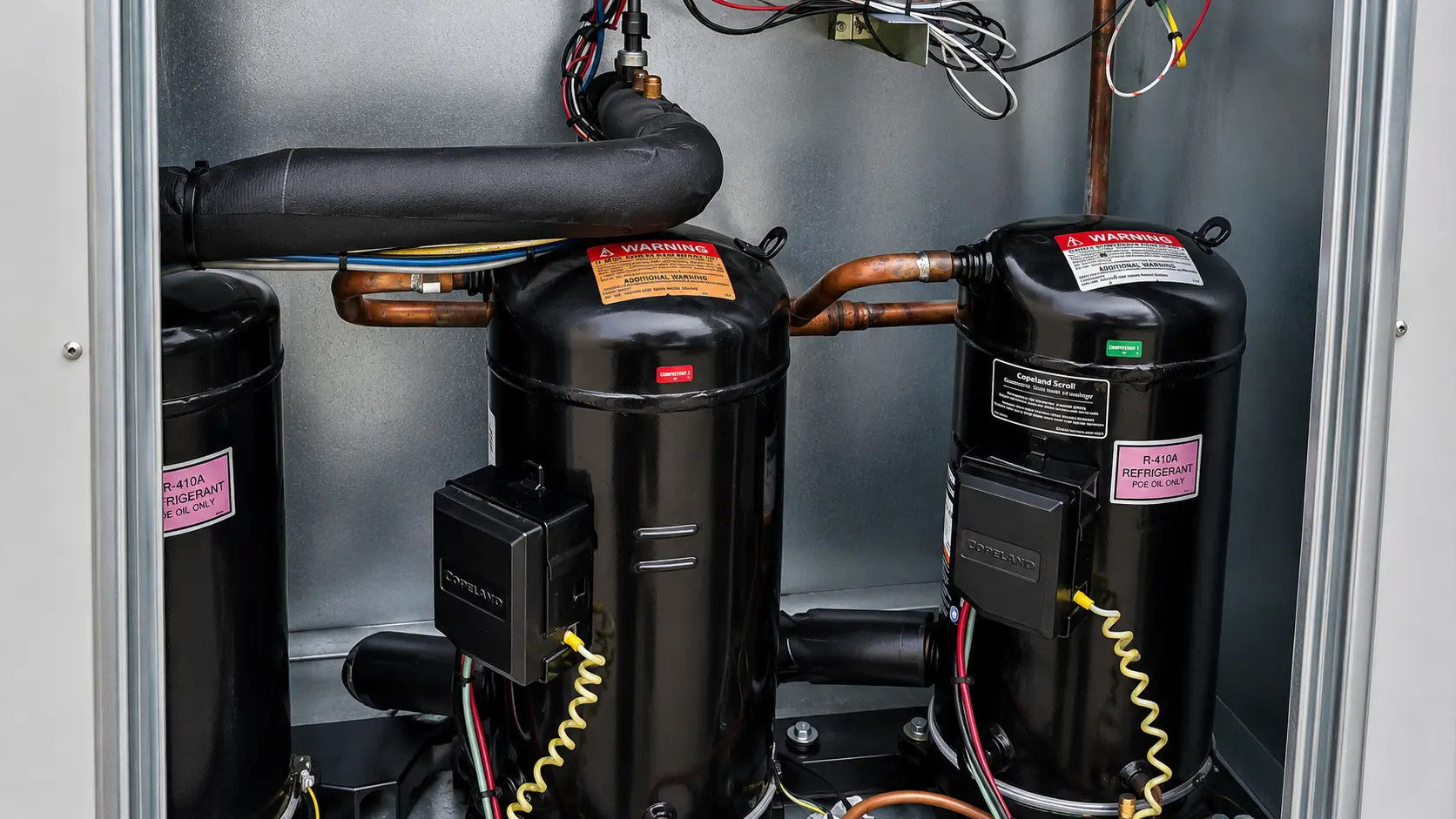
Equipment selection constitutes one of the major cost considerations. Equipment capacity, efficiency level, and system type, such as packaged rooftop equipment, a split system, or AAON equipment, are among the factors that can affect installation cost. Larger or more complex buildings may require greater HVAC capacity or multiple systems depending on load, layout, occupancy, and building use.
Size is also another factor to consider when selecting the right equipment. Oversized or undersized equipment can create efficiency, comfort, and performance problems when it does not match the building load. This makes size a consideration among the various commercial HVAC installation cost factors.
If you need a price estimate tailored to your project’s needs, contact us now.
Factors Affecting Rooftop Unit Installation Costs and Site Access
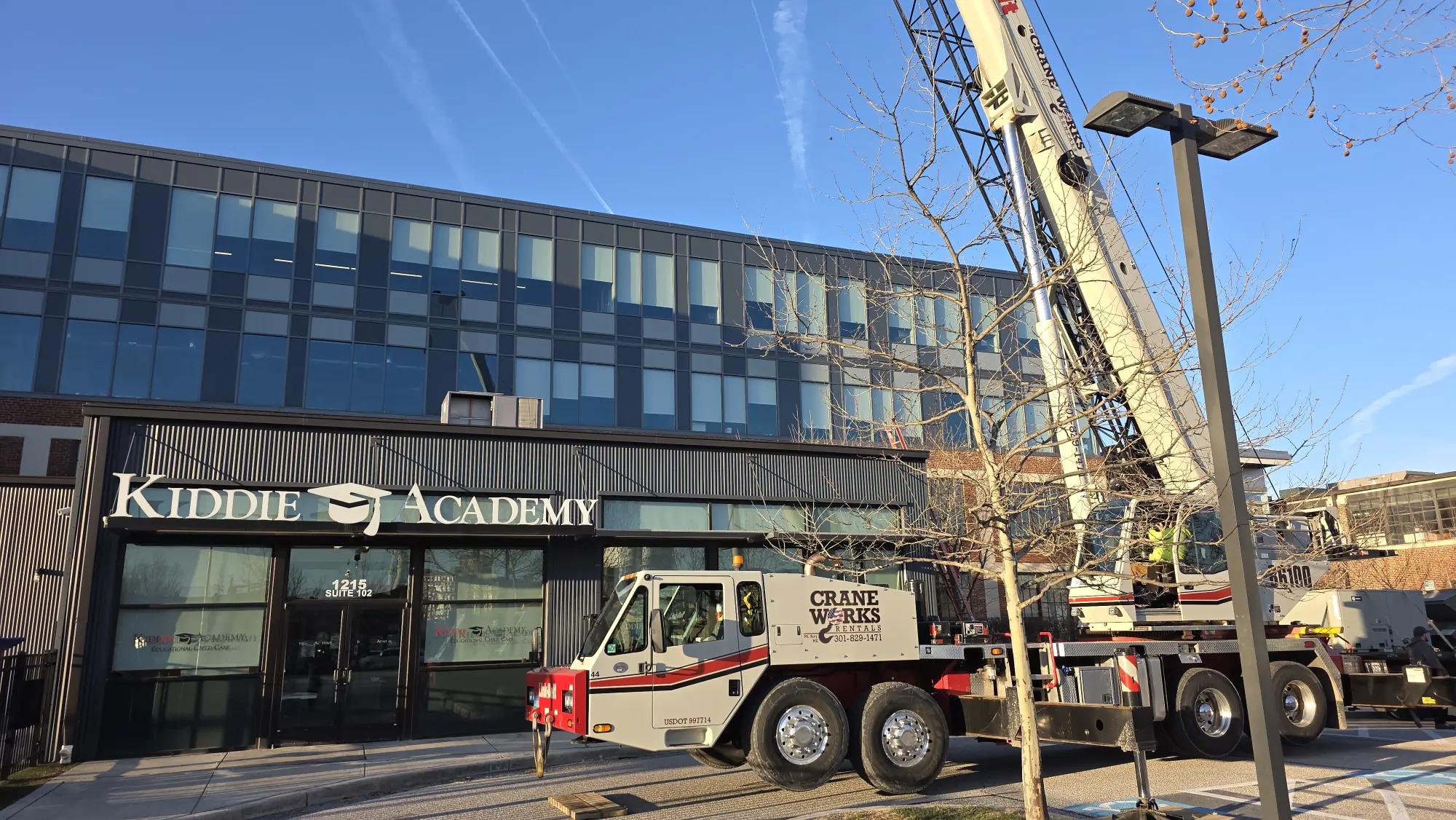
Rooftop units come with their own list of considerations. Crane access, structural strength of the roof, adapters for curbs, and distance from the street to the roof impact labor and equipment costs. Buildings with limited access or older roof structures may require additional structural review before a rooftop unit is installed.
These are some of the rooftop unit installation cost factors that can’t be determined through a simple phone quote. A site visit that evaluates roof condition, crane staging, and electrical access can provide a more informed estimate than square footage alone.
Ductwork, Retrofit Scope, and Factors Affecting HVAC Install Cost
The condition of the ductwork can have a significant effect on installation cost. In new construction, ductwork can often be planned alongside the building design, which may simplify installation compared with some retrofit projects. With retrofits, older or undersized ductwork may need to be modified or replaced, which can add to project cost.
Ductwork condition is one of the factors affecting HVAC installation cost that may be overlooked in older buildings. The process of assessing the state of the ducts is part of Comfort Plus LLC’s retrofits and upgrades, because it is difficult to develop a detailed estimate without evaluating the existing ductwork.
What is the Impact of Building Types on Your Commercial AC Install Cost?
Different types of buildings require different goals for the air conditioning system. HVAC requirements vary by building type. Medical facilities may have tighter temperature, humidity, or ventilation requirements, while schools, government facilities, and multi-tenant buildings may have different occupancy, scheduling, and access considerations.
Commercial AC installation budgets for warehouses, data centers, and indoor grow facilities may differ significantly from those for standard office buildings because of their operational requirements. These facilities may require additional airflow, filtration, redundancy, or environmental controls depending on their operations.
How to Get a More Reliable HVAC Installation Estimate?
An onsite review can provide a more detailed HVAC installation estimate than a preliminary phone discussion alone. A detailed estimate can be based on an onsite walkthrough that reviews equipment access, existing infrastructure, electrical capacity, and the project schedule rather than relying only on assumptions about a “standard” facility.
The estimate should also account for controls and commissioning when they are part of the project scope. Including controls requirements in the installation estimate from the start can help reduce unexpected scope changes later in the project.
Controls, Startup, and Value Over Time
Controls and automation can add to project cost while also affecting how the HVAC system operates over time. Specialized sequencing, controls retrofits, and standalone or BAS-integrated controls should be considered alongside the mechanical installation.
Another aspect to consider in the budgeting process is startup and commissioning support. Startup and commissioning can help verify system setup, identify issues, and provide guidance on follow-up needs after installation.
Cost of Permits, Inspections and Code Compliance
Commercial HVAC projects may require electrical, mechanical, or other permits depending on the project scope and local jurisdiction, and rooftop equipment changes may also require structural review. Permit fees and processing time depend on the city or county where the job is being performed. Permit and inspection timelines can vary between jurisdictions, even within the same region.
Medical buildings, public institutions, and other regulated facilities may have additional code, documentation, or inspection requirements that affect project planning and cost. These requirements should be considered during project planning and budgeting rather than treated as optional expenses.
Labor Costs, Timing of the Project, and Seasonal Demand
The labor costs depend on the timing and process of installation of the equipment. Installation in an occupied building may require additional coordination or after-hours work to reduce disruption, which can affect labor costs compared with work in a vacant building.
Seasonal demand and project timing can affect contractor availability, equipment lead times, and scheduling, so facilities may benefit from planning installations well in advance.
Installation Coordination for Multi-Tenant/Multi-Unit Facilities
Multi-tenant facilities can require additional coordination compared with single-tenant spaces. Separate metering, zoning requirements, and scheduling across multiple businesses can add planning and installation time.
In larger installations, phasing of the installation process may be required in order to keep certain sections of the facility in service during the process. While phasing may make sense operationally, it can affect labor, staging, and scheduling costs compared with a single continuous installation.
Planning a Commercial HVAC Installation That Fits Your Budget
Understanding commercial HVAC installation pricing means considering the equipment, ductwork condition, roof and site access, controls requirements, and commissioning needs from the start. Failing to account for these factors early can increase the likelihood of scope or pricing changes later in the project.
Comfort Plus LLC provides commercial HVAC installation and project support in Maryland, Northern Virginia, and D.C. for new construction and retrofit projects, backed by AAON factory-trained expertise and BAS controls coordination. Our project review considers access, equipment needs, and scheduling so the estimate can reflect the facility’s actual conditions rather than generic assumptions.
FAQs:
1. What factors affect the cost of a commercial HVAC installation?
Equipment size and type, existing ductwork condition, access to rooftops or mechanical rooms, and building requirements can influence the cost of commercial HVAC installation. Buildings with additional code, redundancy, environmental, or operational requirements may have higher installation costs than simpler office projects.
2. Why do commercial HVAC installation quotes vary between contractors?
Quotes can vary based on how contractors evaluate site conditions, labor requirements, equipment pricing, controls scope, and commissioning needs. A price developed after a site evaluation may differ from one based primarily on square footage.
3. How long can a commercial HVAC installation take from quoting through commissioning?
The timeline can vary significantly depending on project scope, equipment availability, permitting, site access, controls work, and coordination with other trades.
4. Is the cost of rooftop unit installation higher than that of a split system in commercial buildings?
This will depend on the building. A rooftop unit may involve crane access, curb, roof, and structural considerations, while a split system can involve different piping, electrical, ductwork, and installation requirements. The more cost-effective option depends on the building and project scope.
5. Is it possible to integrate controls and BAS during an initial HVAC installation rather than afterward?
Yes. Planning controls integration during the installation process can improve coordination and reduce the need for later changes. It is helpful to scope the BAS or standalone controls early in the project to help reduce unnecessary labor, rework, or scheduling changes.