Commercial HVAC systems can develop problems gradually, often due to worn-out components, dirty coils, or drifting controls, before they lead to a system shutdown. Comfort Plus LLC provides services for commercial buildings throughout Maryland, Northern Virginia, and the D.C. area.
Preventive maintenance is the consistent inspection, cleaning, and servicing of HVAC equipment with the goal of identifying emerging problems before they become more costly. Our technicians have received HVAC equipment training through AAON. Our services support offices, school buildings, medical centers, warehouses, and other commercial facilities.
The Case for Structured Commercial HVAC Maintenance
Commercial buildings may operate their HVAC systems for 10–15 hours a day, depending on the facility and season. This level of use can increase wear on equipment components that may go unnoticed by property managers until performance or control response is affected.
A structured commercial HVAC maintenance approach offers a more proactive alternative by supporting more efficient operation and helping facility managers move away from run-to-failure maintenance.
What Exactly Does a Maintenance Visit Involve?
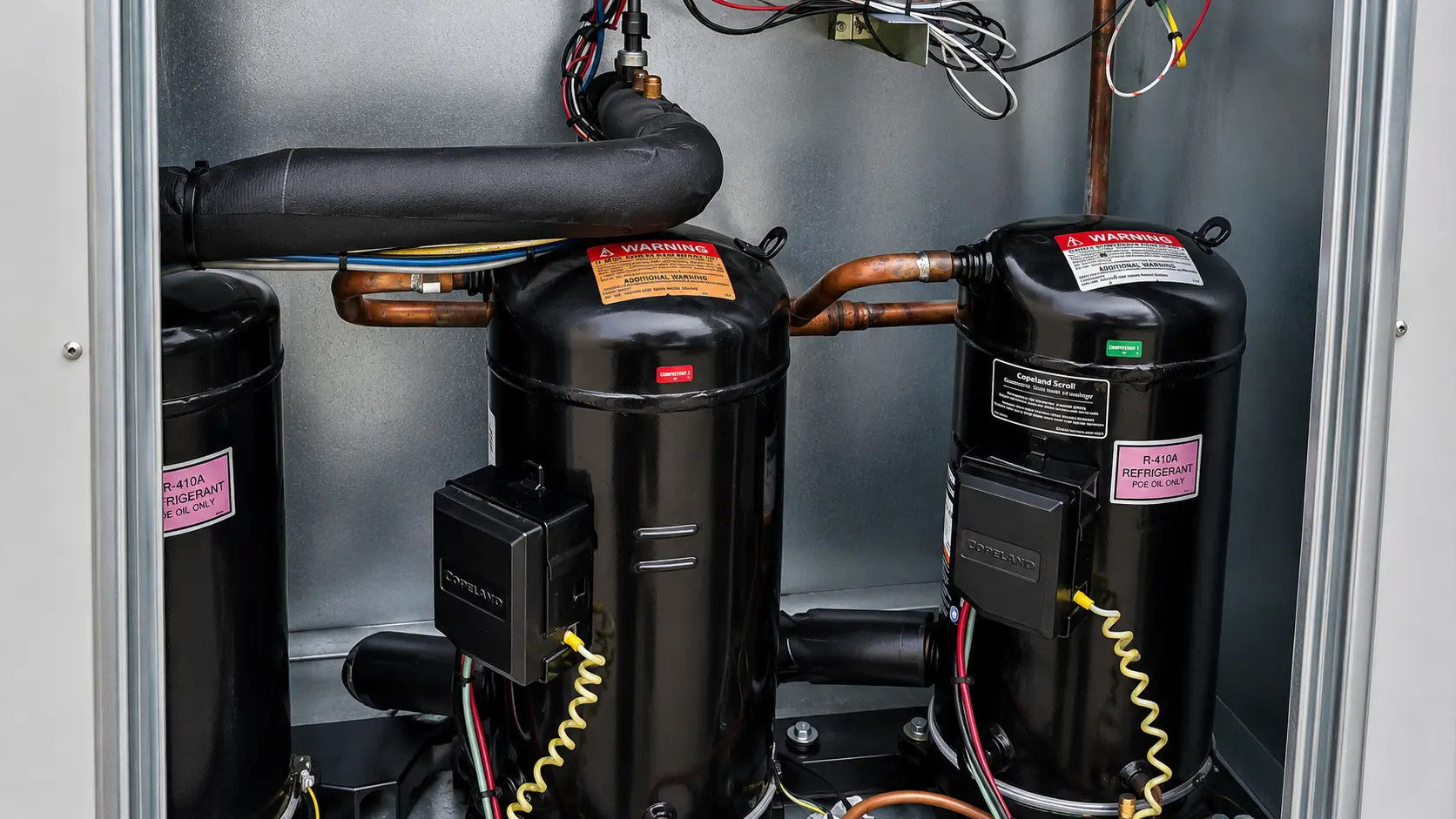
Maintenance visits often include more than replacing filters. These visits often involve regular inspections to identify potential problems, filter replacement, airflow checks to support efficient operation and indoor comfort, and inspections of belts, motors, electrical components, and refrigerants. Coil cleaning may also be included because clean coils can support efficient heat transfer and system performance.
Comfort Plus LLC has an HVAC preventive maintenance program that covers these maintenance tasks and organizes visits around the equipment and access available at your facility. Programs may include inspection of controls for standalone, BAS, and custom unit systems. Recommendations for repairs are also provided to help people make plans for the future. Visits are pre-scheduled appointments.
Preventive vs Reactive Maintenance: Which One Protects Your Bottom Line?
Reactive maintenance involves waiting until a system stops working before addressing the resulting repairs, labor, and emergency parts needs. Lack of proper HVAC maintenance can allow minor issues to go unnoticed, such as belt slippage or dirty coils, which may cause the system to stop working during its peak demand.
With preventive maintenance, the approach is quite different. As noted in the research of ENERGY STAR, as part of planned operations and maintenance activities, routine review of HVAC schedules, set points, and equipment status can help reduce unintended failures and support system operation when needed.
Creating an HVAC Maintenance Plan for Your Building
Not every facility is alike when it comes to equipment or operating times, meaning a practical maintenance plan needs to account for the specific building. Whether your building is an office, medical center, school, governmental building, warehouse, data center, or indoor grow operation, there are going to be unique requirements when it comes to ventilation, temperature control, and accessing the equipment, so a maintenance plan that does not account for those needs may be impractical.
The first step is to assess the building, equipment, and service requirements, then develop a maintenance plan according to access needs, budget, and type of unit. Technicians who are knowledgeable about the particular equipment being used, such as AAON units, can support a more informed assessment and document their results.
How Building Automation and Controls Help Support Proper Equipment Performance
Many commercial buildings operate their equipment using some form of automation, such as individual controls or a building automation system serving multiple zones. If these controls become poorly calibrated or operate with outdated programming, this could be a silent source of wasted energy or overheated or undercooled zones within the building.
It is important to evaluate the BAS, individual controls, and unit controls during a building visit to help confirm that commands, programming, and setpoints are consistent with actual use. Finding a controls problem early can be easier than troubleshooting malfunctioning equipment after comfort complaints have been filed by building occupants.
Facility Types That Rely on Consistent Equipment Care
Not all commercial facilities face the same consequences from poor equipment performance. Temperature and air circulation are essential elements for medical buildings since they provide comfort and proper working conditions. Schools and government buildings often need equipment that can handle heavy usage while staying within operational budget limits.
Warehouses, data processing facilities, and indoor grow facilities will all present unique challenges to equipment performance because changes in humidity, temperature, or airflow can affect stored items or growing conditions. Office and multi-tenant facilities may face a different challenge, with discomfort complaints increasing when HVAC performance declines.
Typical Symptoms that Indicate Your System May Need Service
An increasing utility bill can be an early sign that there may be a problem, even before visible symptoms occur. Airflow problems, temperature differences in various rooms, or increased cycling may indicate that a mechanical or airflow-related issue is developing.
Unusual noises, unusual smells, or an inability to operate the control panel normally are other symptoms that should be noted early on. These symptoms do not necessarily indicate expensive repairs; however, identifying them early may make it easier for technicians to address developing issues before a failure occurs.
What Happens When Your HVAC System Needs More Than Routine Service?
Some problems may fall outside the scope of a routine inspection. If the unit is old or not functioning properly, a technician can typically advise whether repair or replacement is more feasible.
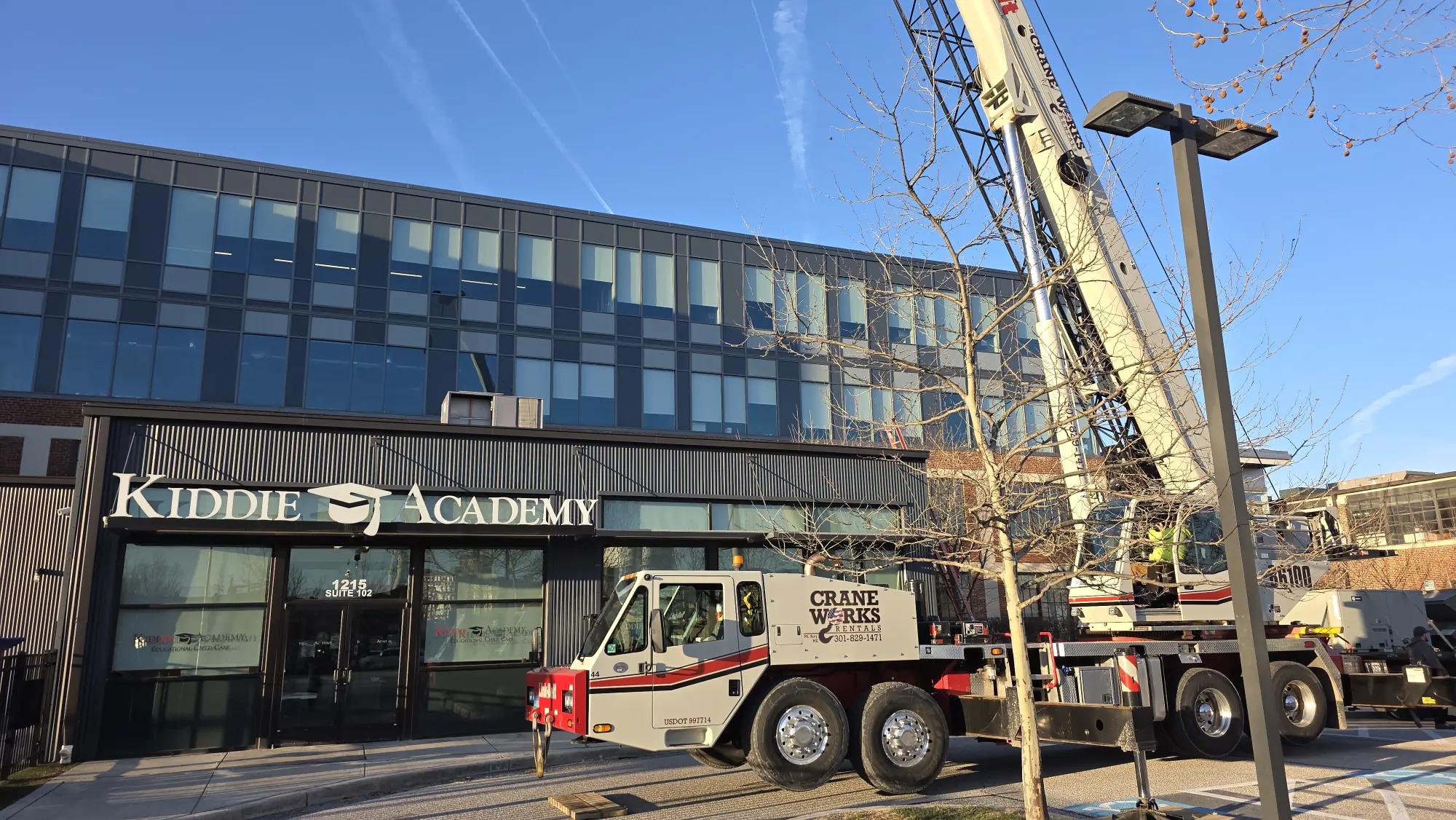
Some facility needs may require broader planning, including equipment installation, controls coordination, startup, and close-out support for multiple units. Working with a provider that can support multiple stages of a project can simplify coordination between installation, controls, and close-out activities.
Service Timing Based on Seasonal Demand
Commercial cooling and heating units may experience increased demand during peak summer and winter periods, when they often operate for longer periods and closer to capacity. Performing the service before the peak period allows technicians to identify and address smaller problems before periods of higher demand.
Scheduling service when the first hot spell or cold weather arrives can be associated with longer wait times for parts and appointments because demand for HVAC services may increase across the area during these periods. Scheduling the service visit before the beginning of each season can help reduce scheduling delays during busy periods.
Importance of Documentation in Long-Term Planning for Facilities
All of those inspections and repairs contribute to a record of how the equipment has performed throughout its lifecycle. This history allows facility managers to assess whether equipment is worth repairing or nearing the end of its useful life instead of relying on age alone.
Documentation also supports budgeting discussions because the facility can reference specific observations when planning for repairs or potential replacement. Over time, this documentation can provide useful information for long-term capital planning.
Benefits of Being Proactive with Your Building Maintenance
A building managed according to a maintenance schedule rather than emergency repairs may have fewer unexpected maintenance issues affecting performance and budgeting. This approach can help control repair costs and support more consistent comfort for people who use the building.
Comfort Plus LLC develops these programs around the needs of commercial and institutional facilities and can also support equipment replacement and installation projects when needed.
If you have not previously conducted a scheduled review of your building’s HVAC equipment, now may be a good time to schedule one. Contact Comfort Plus LLC for help reviewing your facility’s equipment, access needs, and budget considerations.
FAQs:
1. How often should a commercial HVAC system be serviced within a maintenance program?
The answer to this question will depend on the equipment used in the facility and other local conditions. Therefore, there is no single servicing frequency that applies to all facilities. A technician can assess the equipment and usage pattern and recommend an appropriate servicing frequency.
2. What happens to equipment in the building when annual servicing is neglected?
Neglecting scheduled servicing can allow dust and wear to accumulate, placing more load on motors, coils, and electrical equipment. This can reduce system efficiency and contribute to higher energy bills. This may also increase the risk of a breakdown during peak demand periods.
3. Is it possible to have a servicing program for equipment of various manufacturers?
Most commercial buildings use equipment of various manufacturers and ages. Therefore, an effective servicing program should be able to accommodate different types of equipment. Technicians may have experience working with a range of manufacturers, including AAON.
4. Can this type of service have any positive effects on indoor air quality, or is it solely related to the lifespan of the equipment?
Filter checks, coil cleaning, and airflow review can help support indoor air quality while also supporting efficient equipment performance. Proper cleaning and airflow adjustments can also help improve air distribution.
5. How can one start with a maintenance program for a facility with several buildings?
It all starts with a facility assessment including such factors as the equipment type, building layout, accessibility, etc. After that, a provider can develop a maintenance plan to keep service visits organized across multiple sites rather than handling them on an ad hoc basis.