When there is an HVAC system failure in a commercial property after hours, most property managers would wish for one thing: a concrete number. Normally, emergency HVAC service costs more than a scheduled one due to quick turnaround time, working overtime, and the immediate need for replacement parts. Learning the factors affecting emergency HVAC system repair can help you budget better before an emergency occurs.
Comfort Plus LLC provides HVAC system services in commercial properties all over Maryland, Northern Virginia, and D.C., helping to bring their systems back online quickly and using technicians familiar with AAON HVAC systems and building automation systems.
Factors Behind the Cost of an Emergency HVAC Repair Call
There are several factors that determine the cost you may have to pay in the case of an equipment breakdown. The time of day, the type of equipment used, and the urgency of a technician’s arrival are among those influencing the total bill. A breakdown of a rooftop unit during nighttime, in particular during a heat wave, tends to be more expensive than the one reported during office hours.
The size of the facility and its equipment complexity also do their bit. Commercial facilities are likely to have several units and zones of ductwork, and some buildings use building automation controls as well. In this case, it is more challenging to pinpoint the cause of the problem.
Breakdown of Commercial HVAC Repair Fees
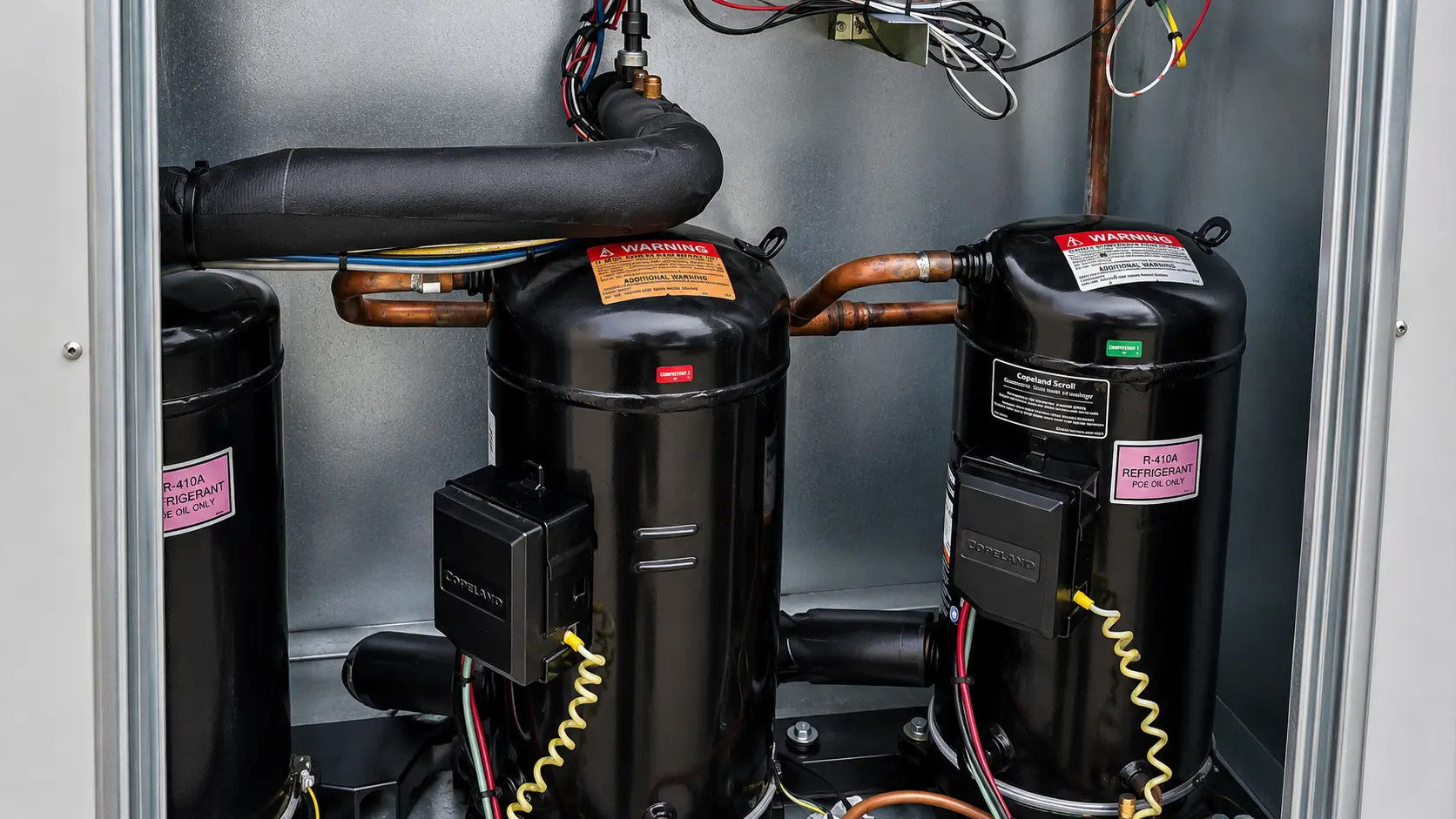
In most cases, commercial HVAC repair pricing involves labor charges, diagnostic fees, and parts required to ensure that the equipment operates again. Parts involved in repairing commercial HVAC units may include small parts like capacitors and contactors to large ones like compressors or the control board, each with their own fee level.
While there are some instances where a repair is a straightforward solution provided by the technician on his first visit, there are others that show the presence of a larger problem, such as an old or malfunctioning compressor or the control board, which requires further repairs.
Items Typically Included in After-Hours Fees and Emergency Call-Out Fees
The typical commercial HVAC company uses an after-hours service fee for any calls received during hours that are outside of normal business hours. This accounts for any additional costs due to scheduling an individual after regular working hours and is something that all industry companies do.
Along with after-hours fees, most HVAC companies have an emergency call-out charge just for sending out a representative to a location. This is not only to cover labor and materials but to account for the call-out itself, and it is something that helps prepare facility managers for any unexpected charges or invoices.
What Should You Anticipate from an Estimate?
An adequate HVAC repair estimate would involve identifying the problem, the labor, and the parts required for its repair. In the case of business systems, the process may further include a period of control troubleshooting if the cause of the system’s failure lies in scheduling, sensors, or any form of automation, and not only a mechanical problem.
Request for the estimate in advance of the repairs, and ask what will happen if a second problem arises during the inspection of the unit. A credible firm would always inform you about your next course of action.
Establishing an HVAC Repair Budget
The first thing to consider when budgeting for HVAC repairs is knowing the age of the HVAC system and the frequency with which it requires maintenance and repair. For facilities keeping records of such things, it becomes easier to establish a realistic budget for repair work rather than always getting caught off guard by an unexpected cost.
Preventive maintenance, on the other hand, is yet another important factor influencing budgeting for repairs. Comfort Plus offers preventive maintenance plans that help prevent potential problems from escalating and requiring after-hour calls.
How Can Commercial Facilities Plan for Unpredictable HVAC Costs?
All facilities face the same predicament: HVAC breakdowns rarely come at the ideal time. By analyzing the typical costs associated with HVAC emergency repair in relation to the type of machine, timing of the breakdown, and complexity of the system, facility managers can begin forming an actionable budget plan.
A prepared emergency HVAC service cost for common services, coupled with a proactive maintenance schedule, provides most commercial facilities with a realistic sense of expectations. It does not make all costs predictable, but it sure helps in case of machine breakdown.
Recurring Equipment Issues that Trigger Emergency Services
In almost all cases, there will be one of four major problems that cause an emergency service call: a seizing compressor, a failed control board, a leak in the refrigerant causing the output to drop to an unusable level, or a stopped blower motor. These problems impact pricing differently because some are faster to replace than others and may take time to diagnose first.
In older rooftop systems, these kinds of equipment problems happen more frequently in times of harsh weather conditions. Knowing how prone certain parts of your specific equipment are to fail can help you understand what will need fixing at the time of the emergency service.
Impact of Size of Building and Zoning on Response & Repair Times
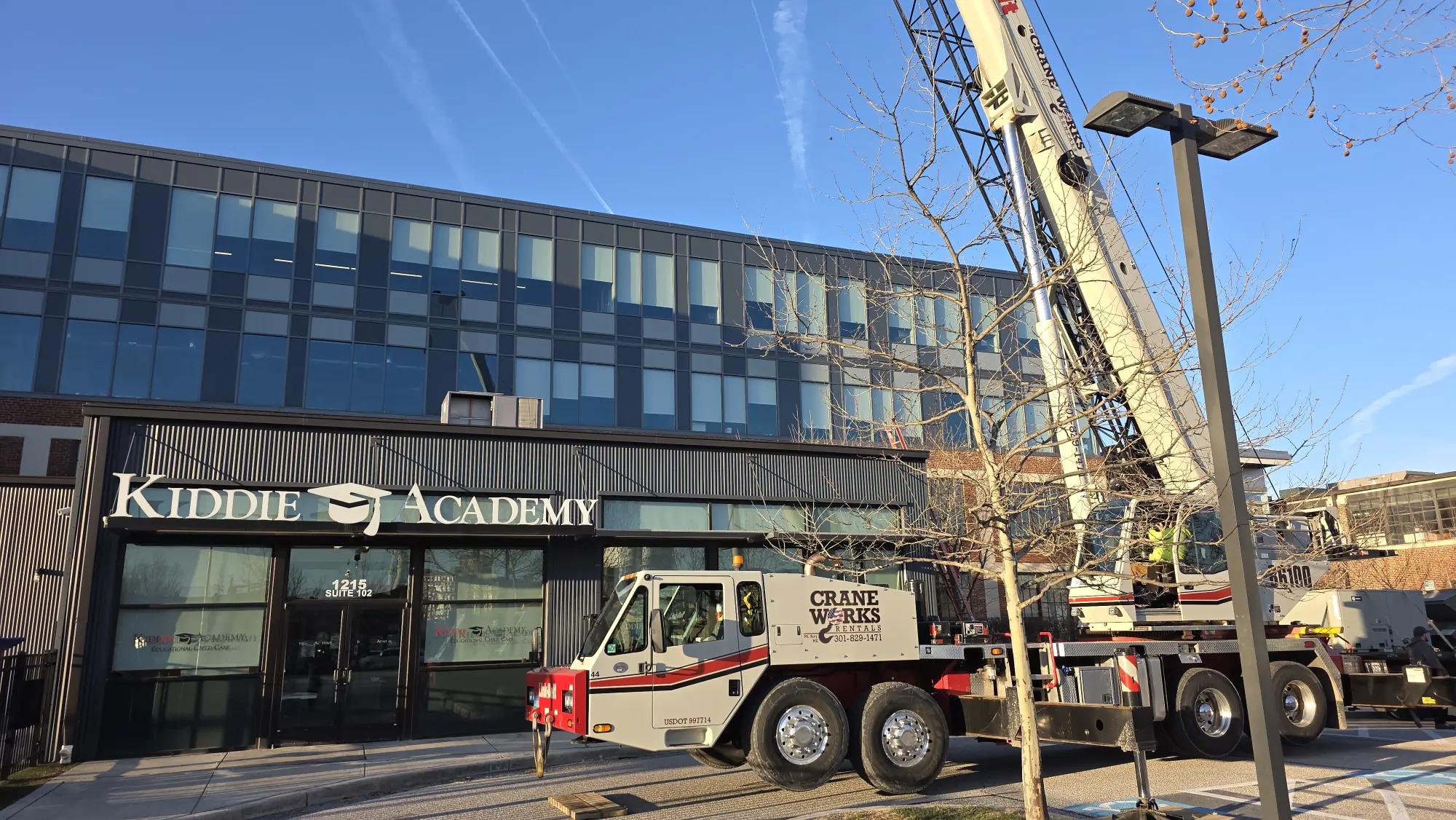
There will be a difference in response and repair times between a one-zone office facility and an office facility with multiple units installed on its roof. It takes more time to investigate and identify the unit or zone responsible for the problem due to the size of larger facilities and the need to check more ductwork and equipment.
Other factors that affect the time required to perform emergency maintenance include the presence of restricted access zones in the building and equipment connected to the building automation system. Facilities that maintain documentation on equipment and ensure unrestricted access to the units reduce their repair times.
Indications of a Fix Leading to System Problems
Every repair is not an indication of one simple problem being solved. If a piece of equipment continually breaks down, if the system continuously loses refrigerant, or even if repair costs rise each time there is a problem, it typically means the equipment is near the end of its lifespan and not that there is a single problem.
In this situation, the tech needs to explain the differences between fixing the problem at hand and solving the root of the problem. The discussion about repair versus replacement is particularly crucial in this situation because it generally costs less to replace the equipment than to continue to fix emergencies.
What to Ask a Technician Before Approving Emergency Work
When considering allowing emergency repair, it is important to know exactly what the diagnosis is, as well as the problem itself, and whether the repair will likely cause the same problem in the future. A vague answer to such a question may be a perfect reason to ask for additional details before making a decision.
It is also useful to find out if the quote is firm and whether the amount can be subject to change after opening the unit for inspection. Facilities that ask such questions usually have fewer surprise costs on their invoices at the end.
Planning an Internal Strategy for the Next Emergency Call
Most facilities develop plans related to the process of dealing with emergencies only after there is already a problem. Having an internal strategy developed, such as whom to call, what type of data to collect, and whose approval is required to do repairs, would help save precious time in case of an emergency visit, as well as avoid confusion if the system fails while a facility is very busy.
It is helpful to have documentation regarding equipment available. Keeping a document containing ages of units, their repair history, as well as recurring problems, will provide a technician with some valuable information immediately upon arrival and not waste time analyzing the equipment again. Facilities that organize such information experience a higher speed of emergency call handling, as well as have fewer follow-up visits and are ready for the next unexpected equipment failure.
Plan for Emergency HVAC Expenses at Your Facility
While emergency services cost more than preventative maintenance, that figure need not remain a mystery. By understanding what determines the cost of emergency services, including fees charged for after-hours calls, materials, and labor expenses, facility managers can plan effectively and not make difficult decisions at the last minute.
Comfort Plus LLC offers emergency HVAC services in Maryland, Northern Virginia, and D.C., as well as preventive maintenance and replacement services for facilities that would like to minimize unplanned repair expenses. Should your facility be facing an HVAC breakdown, or do you need some insight into how much emergency services might cost for your facility, then Comfort Plus LLC is here for you.
Request emergency HVAC service today!
FAQs:
1. Could the service contract help with the emergency costs?
Generally, yes. An active agreement will help a facility spot problems like faulty components or airflow issues before the entire system fails, thus reducing the need for emergency calls altogether.
2. Is equipment age a factor in repair prices?
Sure. Older equipment may require additional spending on its repairs due to the difficulty of purchasing parts for it and because aging equipment tends to have several problems at once. There are times when a technician may recommend checking the equipment for replacement rather than repairing it.
3. How soon could a technician arrive to resolve an emergency commercial issue?
It largely depends on the availability of the provider, the current location of the technician, and the importance of the call itself. It might be a good idea to find out beforehand what kind of response window one should expect in case of an emergency.
4. Is a phone estimate accurate, or does one need to get the on-site diagnosis done?
A phone estimate will give a rough estimate from the symptoms explained, but for commercial systems, there is always a need for an on-site diagnosis to determine the exact cause of the problem. The final cost will normally be more accurate after the technician has made an inspection.
5. What information should one have on hand when calling for urgent HVAC services?
The following pieces of information are needed: the equipment that is having the problem, what was changed before the equipment broke down, whether the equipment is not working at all, and any alarm codes.