Rushing installation work on a commercial HVAC project can increase the risk of incomplete airflow checks, improper refrigerant charging, or insufficient controls testing, which may contribute to operating issues after turnover. Delaying a project without a clear plan can create additional coordination challenges, equipment storage considerations, and potential cost impacts. Either way, commercial HVAC installation delays and rushed timelines can create problems when proper coordination is overlooked.
Comfort Plus LLC supports commercial HVAC projects across Maryland, Northern Virginia, and D.C. with coordinated planning for equipment, staffing, access, and startup activities. Project scheduling and installation requirements are reviewed based on the facility and project scope.
The Real Cost of Rushing a Commercial HVAC Project
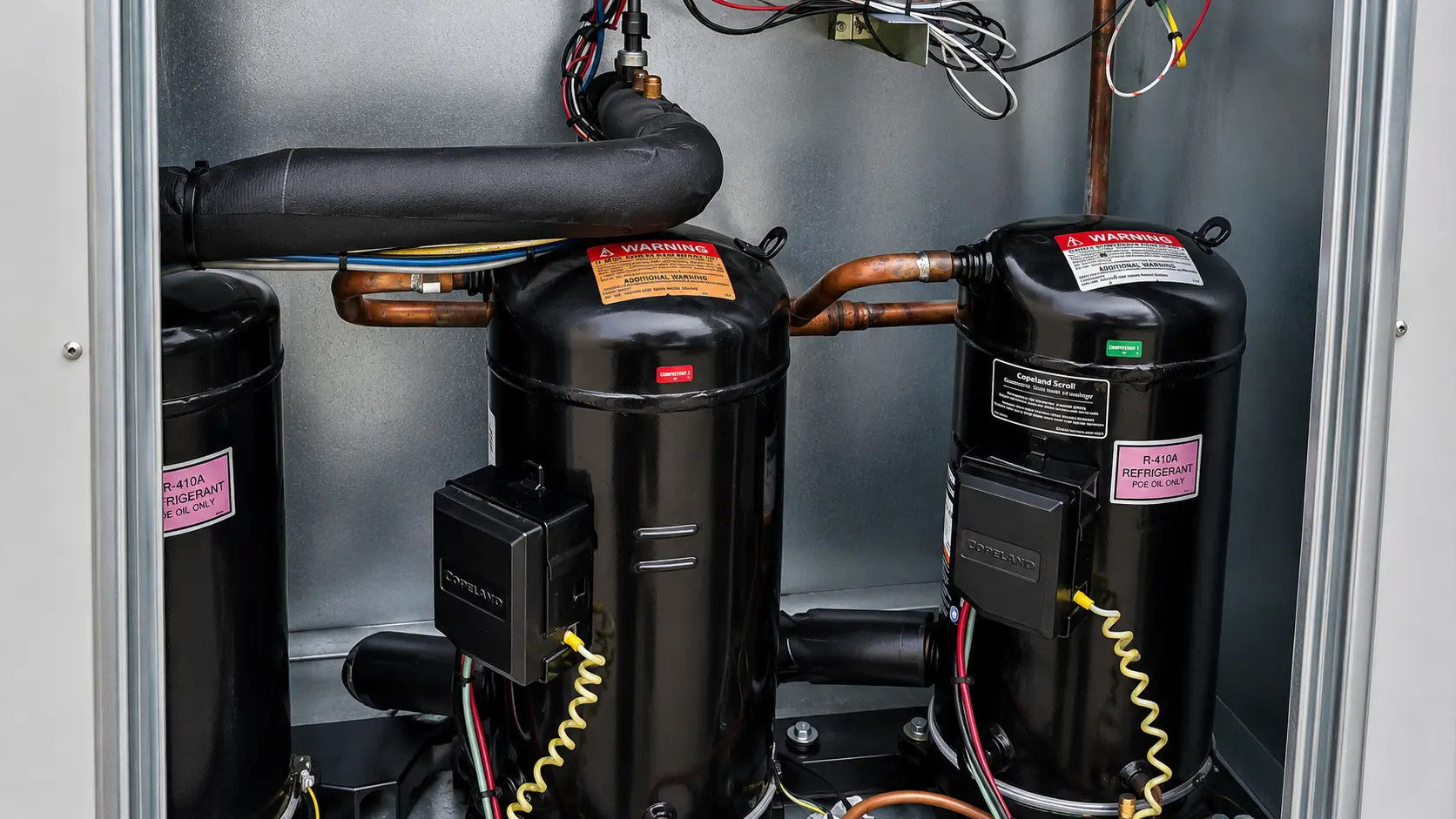
A rushed HVAC installation can show up in details such as incomplete ductwork checks, improper refrigerant charging, or controls that have not received a full sequence test. These issues may not be obvious at turnover but can contribute to short cycling, uneven temperatures, or higher-than-expected utility bills after the system is operating.
A tight installation time frame may result from deadlines such as the beginning of a new lease period or the opening of a business.
However, rushing a crew to complete work faster does not necessarily reduce overall project costs, particularly if additional corrective work, service needs, or schedule changes arise later.
How Delays Stretch an HVAC Installation Timeline
An HVAC installation timeline usually breaks down into project review, equipment ordering, staging, physical installation, controls setup, and startup. When one stage slips, whether it’s a permit delay, a change order, or a scheduling conflict on-site, the stages behind it get pushed too, and the whole sequence compounds.
Commercial HVAC installation delays can become especially disruptive when a building misses its planned occupancy date or a tenant move-in is pushed back. At that stage, the team may need to adjust equipment delivery, revisit completed work, or retest systems within a shorter remaining window. These changes can create additional costs and coordination challenges that may not have been part of the original schedule.
Can Skipping Steps to Save Time Cause Equipment Issues Later?
Skipping steps like airflow balancing, refrigerant charge verification, or a full controls sequence test can cause equipment issues months down the road. If refrigerant charge is not properly verified, the equipment may experience operating or performance issues, and identifying the original installation-related cause can become more difficult later.
This is one type of commercial HVAC installation problem that facility teams may encounter because shortcuts taken during a rushed close-out may not show up on a punch list. A thorough project review and startup process can help identify these gaps before the crew leaves the site, when corrective work may be easier to address.
How Do Equipment Lead Times Affect Installation Scheduling?
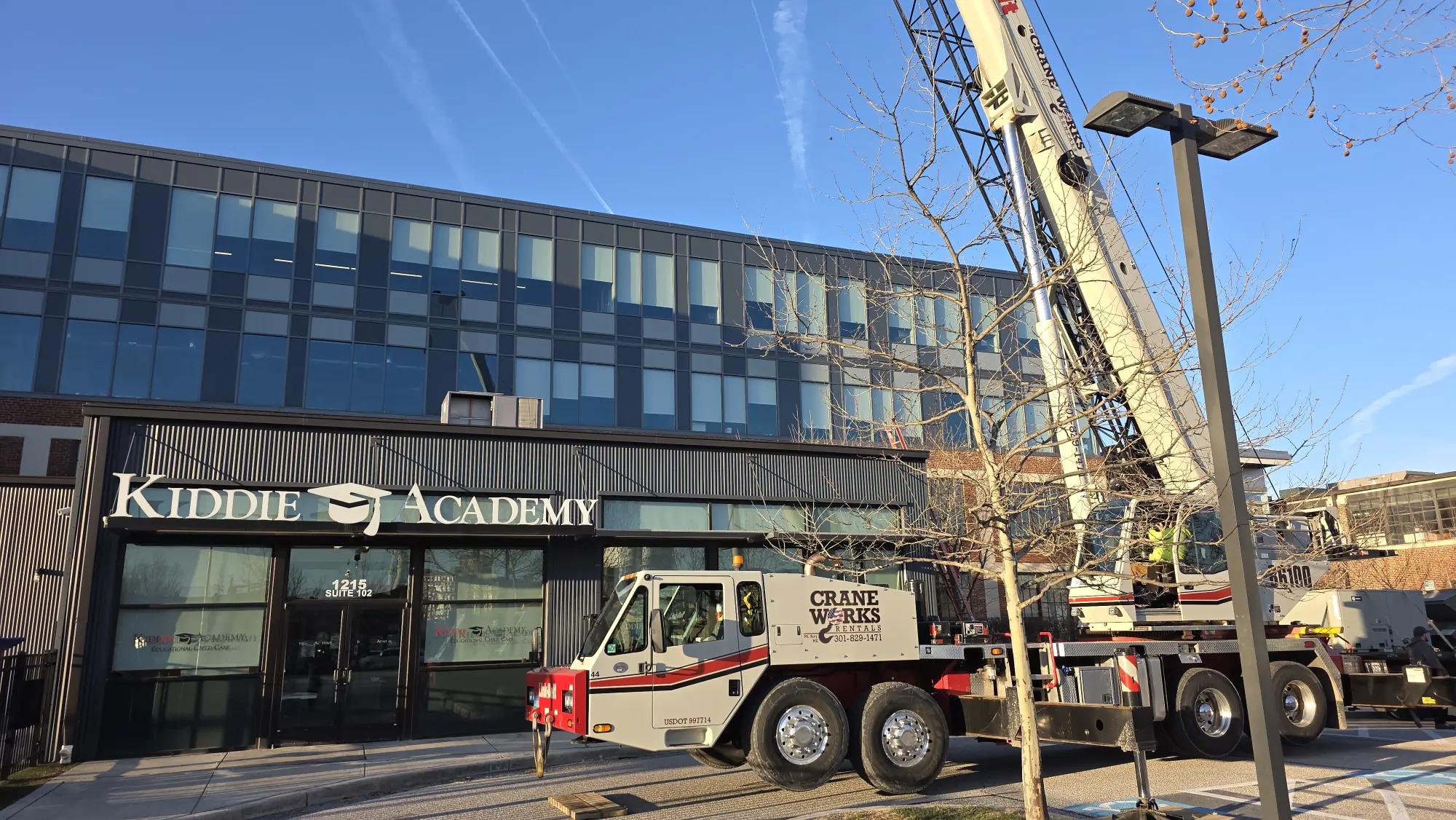
Equipment lead times can be a significant variable in commercial HVAC system installation and are not always within the contractor’s control. Rooftop units, chillers, and custom air handlers can take weeks or months to manufacture and ship, and a single backordered part can hold up an entire project even after the installation crew is ready to start.
Building the schedule around realistic lead times, rather than an ideal-case delivery date, can reduce the risk of a rushed final push once equipment arrives.
Ordering critical equipment early and confirming delivery windows before committing to a start date can help reduce scheduling problems once equipment is needed.
Recognizing the Installation Risks Before They Become Failures
Several HVAC installation risks tend to repeat across commercial projects: incomplete startup documentation, controls that were never fully tested against the building’s actual schedule, and equipment installed before the surrounding construction work was finished. Each of these creates a gap between what looks complete on paper and what actually functions correctly once the building is occupied.
Project oversight can help identify these risks early. Reviewing site conditions, confirming equipment specifications, and walking through startup step by step can help identify potential problems before they require additional corrective work, instead of after the system has been running poorly for a season.
Why a Coordinated Process Matters for HVAC Installation
A steady, well-managed installation depends on more than getting equipment onto the roof or into a mechanical room. Project review, equipment coordination, controls setup, and a documented startup process all need to be coordinated as part of the installation process to support the system’s intended operation.
Comfort Plus LLC structures installation projects around this type of sequence, coordinating equipment, site access, and controls requirements as part of project planning. Facility teams considering a new installation or a major retrofit can review the full process on the company’s commercial HVAC installation page before requesting a project scope review.
How Trade Coordination Problems Add to Project Delays
A commercial mechanical project rarely involves just one crew. When electrical, structural, roofing, or controls work is part of the project, those schedules need to align with the HVAC installation schedule. A delay in one trade can also affect work scheduled to follow it.
This kind of bottleneck is easy to underestimate during planning, since each trade may look fine on its own timeline. These conflicts may become clearer when the full sequence is mapped out, which is why coordinating schedules across trades can help identify conflicts before they affect the installation sequence.
The Impact on Building Occupants When a Project Stalls
When a project extends beyond the planned schedule, tenants, employees, or clients inside the building may also be affected. Temporary heating or cooling arrangements, construction noise, and limited access to certain areas can also affect tenants, employees, or clients when installation work extends beyond the planned schedule.
These conditions can affect productivity, create tenant concerns, or require facility teams to adjust plans around contractual or occupancy deadlines. Clear communication about the project timeline can help building occupants understand what work is taking place and when.
Why Documentation Gaps Make Problems Harder to Fix Later
A project that moves too fast, or one that gets picked up and dropped multiple times due to delays, can result in incomplete records. Missing startup reports, unclear equipment specifications, or gaps in what was actually tested can leave a facility team with little to reference when something goes wrong down the line.
These gaps may not cause an immediate issue, but they can make future repair or service work more difficult because a technician may need to re-evaluate conditions that should already have been documented. Keeping a complete file on equipment, testing results, and any schedule changes gives a facility a much stronger starting point for maintenance years after the crew has left the site.
Budget Overruns Tied to a Poorly Managed Schedule
A project that extends beyond its planned timeline can create additional costs, depending on the work involved and the reason for the delay. Extended equipment rental, additional labor hours, remobilization fees, and storage costs for units sitting on-site can add to project costs when a schedule extends beyond its intended window, even if the original contract price looked reasonable.
Cost increases that were not included in the initial planning may require additional explanation to ownership or finance teams. Tracking schedule changes as they happen can help facility teams communicate potential cost impacts and manage expectations before project close-out.
Keeping Your Facility’s Comfort on a Steady Installation Path
Whether a project is rushed to meet a deadline or affected by shifting timelines, either situation can create installation and coordination challenges that may affect startup or initial system operation. Reducing the risk of commercial HVAC installation delays and rushed shortcuts involves realistic scheduling, proper equipment coordination, and a startup process completed according to the project requirements.
Comfort Plus LLC works with commercial and industrial facilities across Maryland, Northern Virginia, and D.C. to plan installation projects that support the project timeline and long-term system performance. Our team can coordinate equipment, controls, and scheduling from project review through startup, based on the requirements and scope of the installation.
If your facility has an upcoming installation project, a project review can help identify scheduling, access, equipment, and coordination considerations before work begins.
FAQs:
1. Does a rushed installation affect manufacturer warranty coverage?
It can, depending on the manufacturer’s warranty terms and required startup or commissioning procedures. Keeping applicable startup documentation can also provide useful records if warranty service is needed.
2. What paperwork should I request if my installation schedule changes midway through the project?
Ask for an updated project timeline, written documentation explaining the reason for the shift, any applicable change orders, and confirmation of any new equipment delivery dates. Having this on file makes it easier to plan staffing and communicate the new schedule to building occupants.
3. Does the time of year affect commercial HVAC installation scheduling?
Scheduling outside peak seasons may provide different equipment and labor availability, depending on the market and project requirements. It will not eliminate every risk, but it may give a project more flexibility if a supplier or permitting delay comes up.
4. How much advance notice should equipment suppliers get for a multi-unit commercial project?
For larger projects with custom or specialty units, suppliers may require significant advance notice to confirm manufacturing and delivery availability. Confirming order specifics early, rather than waiting until the installation date is locked in, reduces the chance of a last-minute equipment gap.
5. Does working in an occupied building affect the duration of installation?
Yes. Projects that require construction during occupied hours, limited access to the roof or mechanical room, or noise restrictions may require additional scheduling or coordination compared with work in a vacant building. Identifying these factors early can help the project team establish a more realistic schedule.