The right commercial HVAC partner holds proper licenses, shows real field experience, and answers your questions in plain language. Check the paperwork first, then call past clients. Choosing a commercial HVAC service provider gets easier when you follow a clear, repeatable process.
Comfort Plus LLC, based in Westminster, MD, supports commercial facilities across Maryland, Northern Virginia, and D.C. Its team handles service, maintenance, installation, replacements, and emergency calls.
What Makes a Strong Commercial HVAC Partner?
A strong partner fixes problems and explains them in plain language. Your building relies on heating, cooling, and airflow daily, so a vague answer from a contractor should raise concern. Pay attention to how clearly a company talks during your first call, because that tone usually carries into the work.
Look for a company that handles repairs, planned maintenance, and larger projects under one roof. That range matters because small faults often turn into replacement conversations, and you want one team that already knows your equipment history. Switching between separate vendors can slow down decisions.
Start with a short list of three or four companies. Vetting HVAC service providers works best when you judge each one on the same points: credentials, experience, response, and communication. Keep short written notes during each call, since the details start to blur a week later.
Verify Licenses and Certifications First
Credentials come first because they help you verify whether technicians are properly qualified for the work. Strong HVAC service provider credentials include a state license, refrigerant certification, and proof of insurance. In Maryland, individuals who provide heating, ventilation, air conditioning, and refrigeration services need a license from the Maryland Board of HVACR Contractors, and apprentices must work under a licensed supervisor who is present on the jobsite. Licensing rules vary by state, so check the board that covers your building.
Technicians who handle refrigerants also need the appropriate EPA Section 608 certification, with certification types based on the equipment being serviced. Ask which Section 608 certification type or types each technician holds. Request a certificate of insurance too. Maryland requires certain licensed contractors to maintain required insurance, so ask prospective providers for a current certificate of insurance before work begins.
A fair commercial HVAC provider comparison starts when each company gives you the same documents. Ask for every item in writing before a technician steps onto your roof or into your mechanical room. Missing paperwork from one bidder tells you something before the work begins.
Look for Proof of Hands-On Experience
Paperwork shows that a company can work legally. Field experience shows whether it can solve your problem. Comfort Plus LLC, for example, supports offices, medical buildings, schools, government buildings, and multi-tenant properties. Use specific details like these as your benchmark when other companies describe themselves.
Ask for references from buildings that resemble yours, and call two or three of them. Plain commercial HVAC service company questions, such as how quickly the team arrived and whether the repair held up, reveal more than a brochure.
Choosing a commercial HVAC service provider with relevant experience may help reduce repeat visits when technicians are familiar with the equipment and system configuration. That matters most when your site has tight comfort or storage requirements.
Test Response Time and Emergency Support
Equipment rarely fails at a convenient hour, so ask how the company handles urgent calls, who answers the phone, and how it sets priorities when several sites need help at once. For facilities such as hospitals, storage spaces, and data rooms, ask how the provider handles HVAC failures that could affect building conditions, operations, or stored materials.
Next, ask what happens after you call, as a clear process often starts with a review of the issue, moves to diagnosis and approved repairs, then ends with an operation test and next-step recommendations. That sequence keeps your team informed at each stage.
Ask for the phone coverage hours and the after-hours process in writing. Also ask whether the same technicians handle both emergency and scheduled visits. Familiar technicians may already know the site’s equipment history, access requirements, and previous service notes.
Match Equipment Knowledge to Your Building
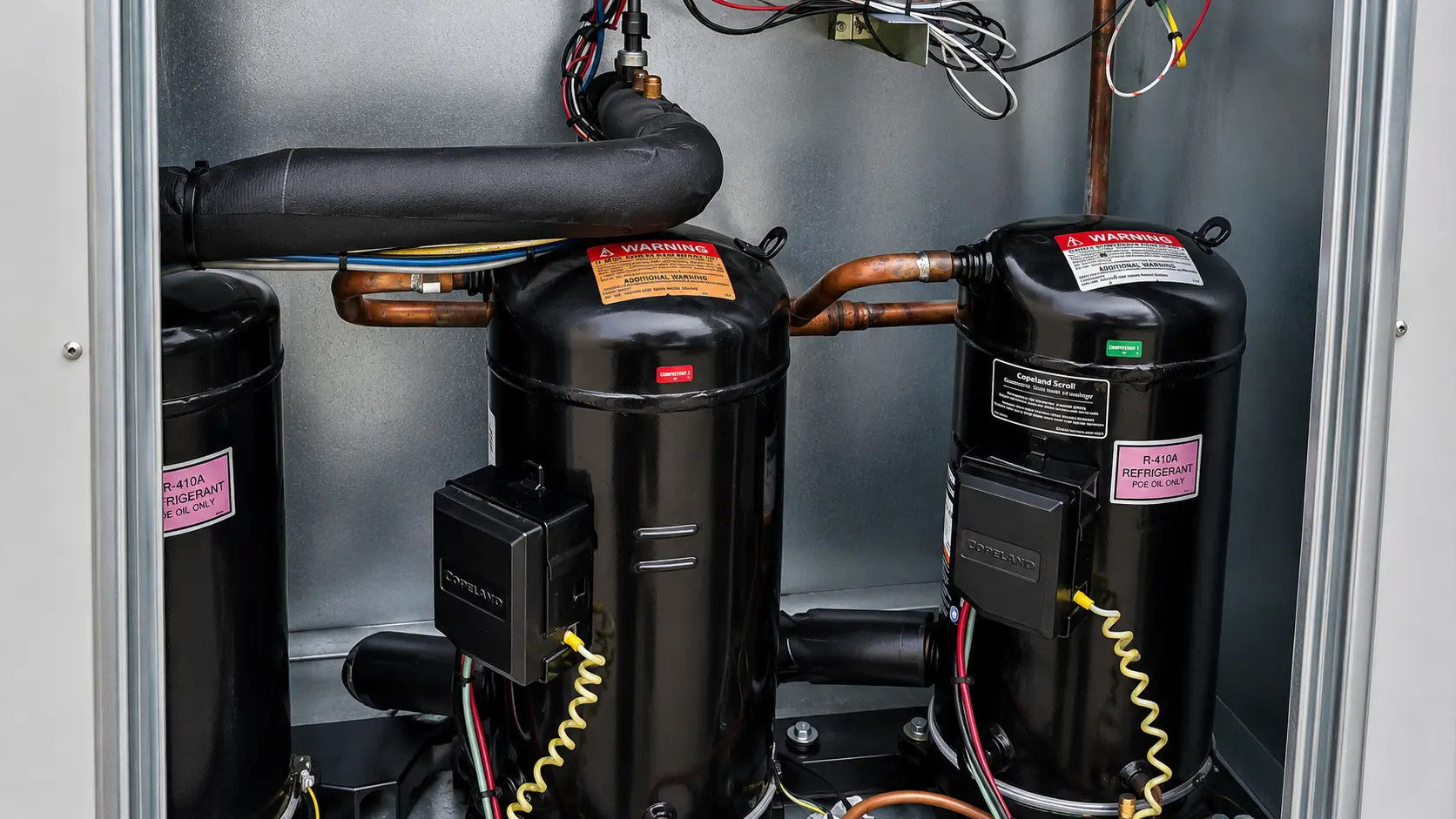
Your equipment brand and system type shape the repair. Ask whether technicians have worked on your specific units and whether they have factory training for that equipment. A company with experience supporting a brand such as AAON may be familiar with that equipment’s specific requirements. Ask which brands the team supports and for how long.
Confirm that the company offers true commercial HVAC service for diagnostics and onsite repair, not only installation work. Some firms focus mainly on new installations, so their repair response may look different.
Write down your top questions to ask HVAC service company reps before the first meeting. Bring the same list to each interview, so the answers sit next to one another on one page.
Confirm Support for Bigger Projects
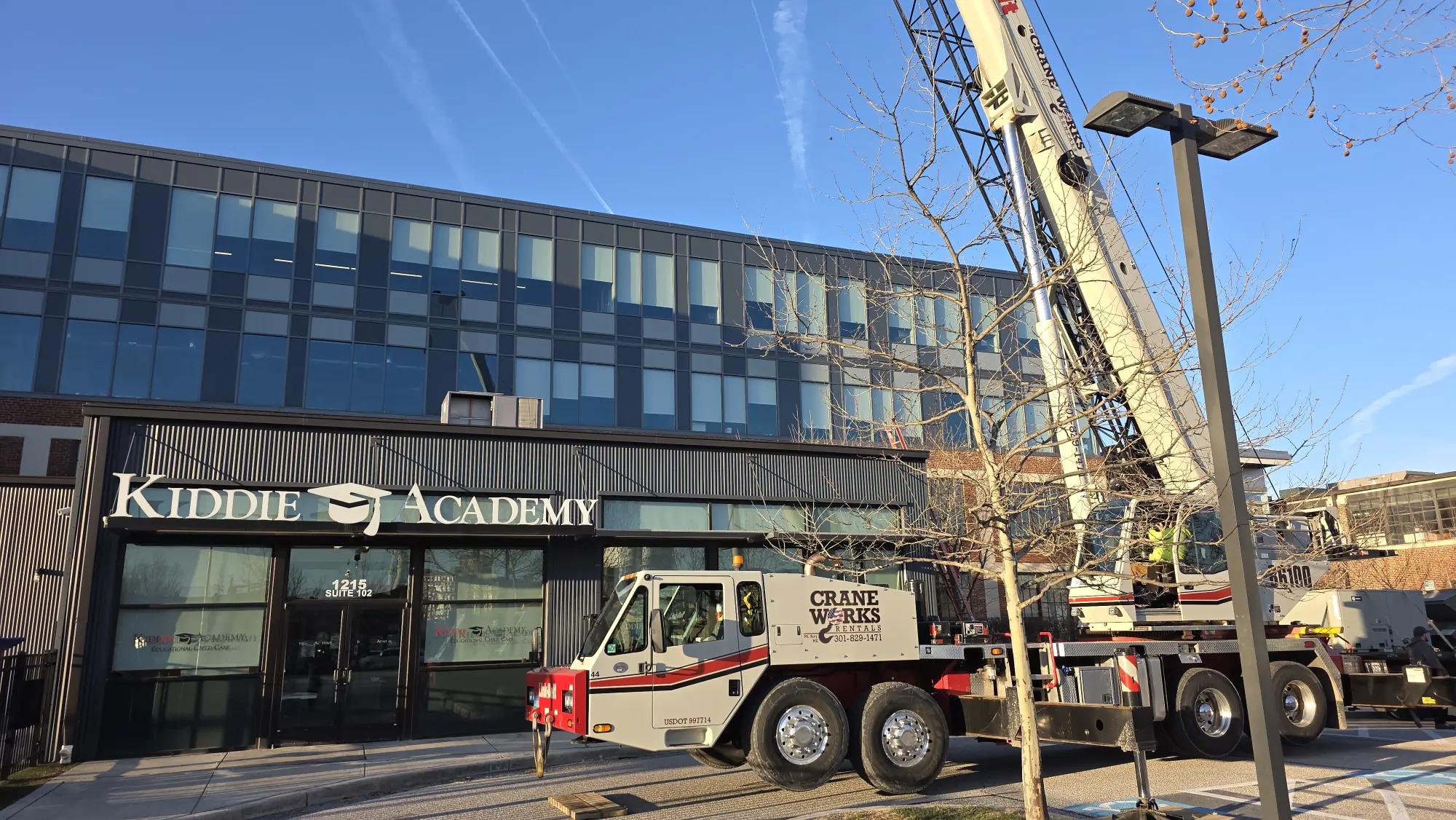
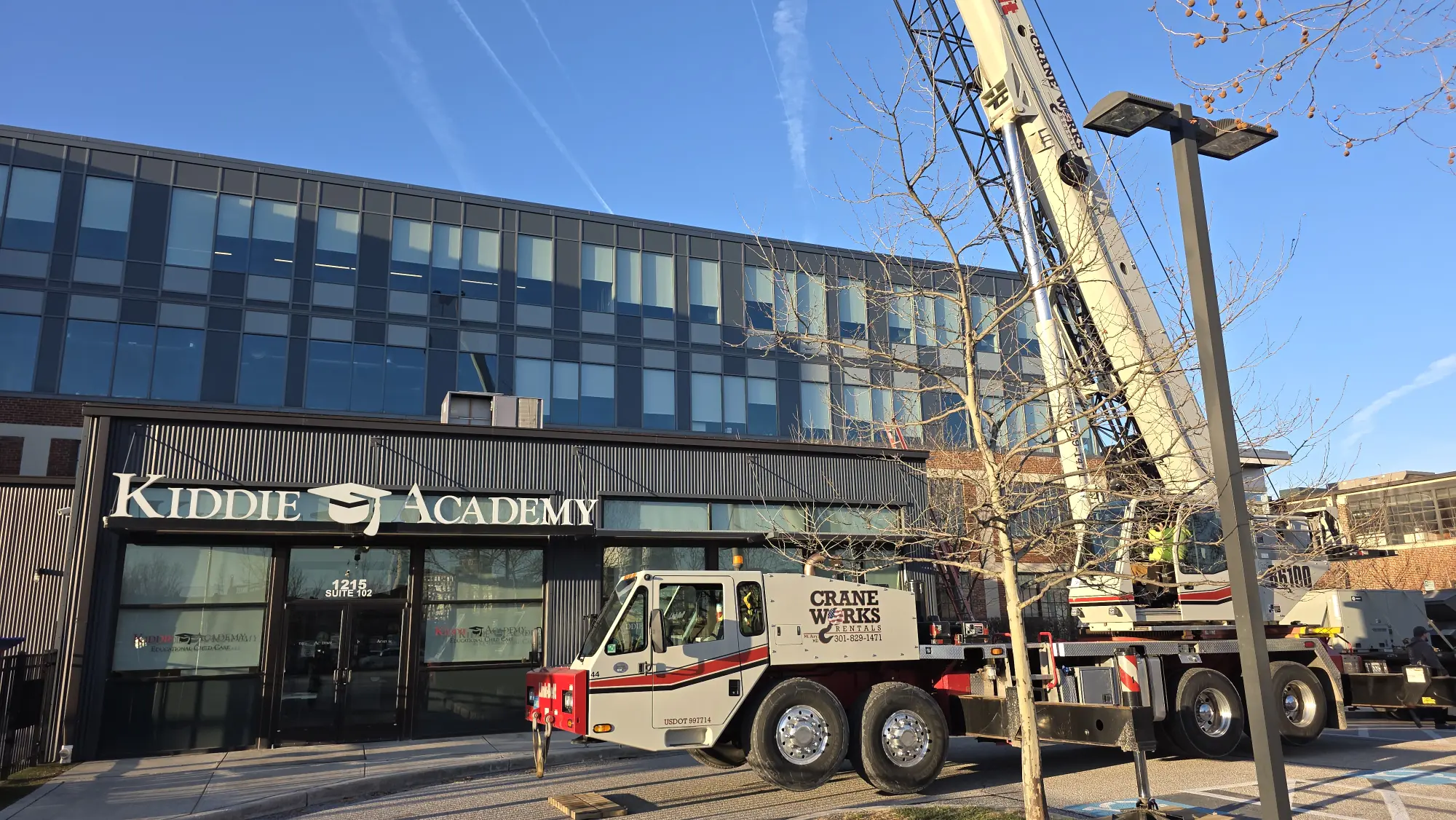
Some jobs outgrow a simple repair. Aging rooftop units and building upgrades can push a facility into a replacement or retrofit project, so ask whether your provider can handle that step.
Companies that offer installation, replacements, and turnkey support can manage planning, equipment integration, and commissioning with one team. That setup limits handoffs between contractors.
Ask for a recent example of a similar project, what the provider handled, and a rough planning timeline. A detailed answer can give you more information to consider when comparing providers.
How Does a Maintenance Plan Change the Relationship?
A repair-only relationship can remain reactive, while a maintenance plan gives technicians a scheduled opportunity to inspect equipment and address potential issues before they develop into larger service concerns. Ask whether the company offers contract-based and as-needed maintenance, and which equipment types a plan covers. Some companies offer preventive maintenance for a wide range of HVAC equipment on either basis.
Look closely at what a visit includes. A maintenance plan should clearly describe inspection tasks, reporting, and how the technician flags aging equipment. Clear notes help your team plan budgets well before a failure forces the issue.
Finally, think about scale. A building with several rooftop units needs a different schedule than a small office suite. Ask the company to explain how it would match visit timing to your equipment and operating hours.
Match the Provider to Your Facility Type
A medical suite, a warehouse, and an office building place very different demands on HVAC equipment. Ask each company which facility types it services and what it has learned from them. A provider that serves commercial, medical, institutional, warehouse, data processing, and indoor grow environments may have experience with a wide range of operating conditions.
Then connect that list to your own priorities, and a data space may need steady cooling, while a school may need quiet, dependable airflow during class hours. Ask the company to describe a past site that looks like yours and explain how its technicians handled it.
Ask How Technicians Work in an Occupied Building
When a building remains occupied during repairs, coordination can be an important part of the service process. Ask how the company schedules visits around tenants, staff, and patients, and who tells your team when technicians arrive. Clear notice can help facility teams coordinate access and technician activity in shared spaces, especially in multi-tenant properties.
Access needs deserve a quick conversation too. Roof hatches, locked mechanical rooms, and after-hours entry can slow a visit if nobody plans for them. Asking about access up front can help the service team account for building-specific requirements before the visit.
Use a Small Job as a Trial Run
You can learn a lot from a small service call before you sign a larger agreement. Choose a small repair job or an individual inspection and see how the company works with scheduling, communicating, and follow-through. See if the techs come prepared and speak plainly about what they found.
Review the result with your team afterward. Did the company return calls promptly, and did the final notes match the work performed? If the answers look good, you have a stronger basis for a longer relationship. If they raise doubts, you found out at a low cost.
Review Safety Practices Before Work Starts
Safety habits tell you a lot about how a company runs its jobs. Ask how technicians protect themselves and your occupants during rooftop work, electrical work, and refrigerant handling. Ask the company to explain its safety procedures and the training technicians receive for the work being performed.
Ask how the team protects your property, too. Technicians who cover floors, mark off work areas, and clean up before they leave show respect for your space. Request a brief description of the company’s safety training and jobsite rules, and note whether the answer sounds specific or rehearsed.
Pick a Partner Who Earns Your Trust
A good hire starts with documents and ends with a conversation. Check licenses, confirm certifications, call references, and test how the team communicates under pressure. Choosing a commercial HVAC service provider this way gives facility managers a structured process for reviewing qualifications, experience, communication, and service scope.
Comfort Plus LLC serves commercial, medical, institutional, and other demanding facilities from its Westminster, MD office. Its team supports repairs, maintenance, installation, replacements, controls, and emergency calls across Maryland, Northern Virginia, and D.C.
FAQs:
1. Should I ask about controls and BAS experience as well as mechanical repair?
Yes, as controls influence schedules, alarms, and comfort, a team that understands both hardware and programming may be able to evaluate whether a mechanical or controls issue is contributing to the problem. Ask whether technicians support standalone controls, BAS integration, and retrofits.
2. How do I compare service providers beyond price?
Line up response commitments, technician credentials, equipment experience, and written scope side by side. A lower bid can leave out work that a higher bid includes, so check what each proposal covers.
3. What documents should I collect before requesting bids?
Get together a list of the equipment to be serviced, including model numbers, ages of each unit, prior maintenance history, and any problem spots. This information can give service providers more context when preparing quotes and makes it easier to compare the scope of different proposals.
4. Which contract terms deserve a second look before I sign?
Review visit frequency, response expectations, how parts and labor are handled, term length, and cancellation rules. Ask for plain-language answers and get any changes in writing.
5. How should I handle a missed response commitment?
Document the date, the time of your call, and what the company promised. Share those notes with your account contact and ask for a written plan to prevent a repeat.